
Capture One Catalog
Capture One Catalog - Long before catalogs were as popular as they are now in photo editing software, capture one had sessions available to help photographers organize their photoshoots. Watch this tutorial to learn how to create a catalog. Capture one offers you the ability to work in catalogs or sessions. Before importing any photos, you must first decide to use either a catalog or a session. I’ll usually make a catalog for a new project on site (macbook pro) and import it into the annual. It’s recommended that you work with both. Capture one pro offers users the option to import and export capture one catalogs. In this livestream we will take a detailed look at creating and organising your capture one catalog. This section provides information on catalogs and the benefits of using them. In this tutorial we will refer to images inside the catalog as ‘managed’ images and those in a separate directory as ‘referenced’ images. Before importing any photos, you must first decide to use either a catalog or a session. A catalog in capture one functions like a catalog in lightroom in that it helps. I use one catalog per calendar year saved on an external raid array (mac based workflow). Catalog capture one allows you to quickly and easily work with all the pictures from your archive, be it to allocate ratings, assign keywords or merge pictures into projects,. If you relocate a managed catalog to the external drive but continue working on the same. A catalog is a primary method of working in capture one and it’s where all of the various steps in your workflow will be carried out, including image importing, capture (using a tethered. I’ll usually make a catalog for a new project on site (macbook pro) and import it into the annual. It’s recommended that you work with both. Capture one pro offers users the option to import and export capture one catalogs. In this tutorial we will refer to images inside the catalog as ‘managed’ images and those in a separate directory as ‘referenced’ images. A catalog is a primary method of working in capture one and it’s where all of the various steps in your workflow will be carried out, including image importing, capture (using a tethered. After setting up and creating your first catalog, the next time you open capture one, that catalog will be displayed straight away. How to import an aperture. This section provides information on catalogs and the benefits of using them. In this tutorial we will refer to images inside the catalog as ‘managed’ images and those in a separate directory as ‘referenced’ images. Split and merge capture one catalogs with a few simple steps. In this livestream we will take a detailed look at creating and organising your. This section provides information on catalogs and the benefits of using them. After setting up and creating your first catalog, the next time you open capture one, that catalog will be displayed straight away. Arranging images in a catalog. Adjust lighting in imagesincrease image resolutionremove objects instantly Catalog capture one allows you to quickly and easily work with all the. This section provides information on catalogs and the benefits of using them. Arranging images in a catalog. It’s recommended that you work with both. If you relocate a managed catalog to the external drive but continue working on the same. In this livestream we will take a detailed look at creating and organising your capture one catalog. When getting started in capture one, one of the first things you’ll do is choose whether to create a new catalog or a new session as you prepare to import photos or begin a. Virtual organization of images in albums, smart. Copying into the catalog turns over the management of where your image files are stored to capture one and. How to import an aperture library. You do not control where. I’ll usually make a catalog for a new project on site (macbook pro) and import it into the annual. Adjust lighting in imagesincrease image resolutionremove objects instantly Capture one pro offers users the option to import and export capture one catalogs. In this tutorial we will refer to images inside the catalog as ‘managed’ images and those in a separate directory as ‘referenced’ images. How to import an aperture library. Arranging images in a catalog. Use the unique export and import commands in capture one to fully manage your catalogs including images,. Before importing any photos, you must first decide to. In this tutorial we will refer to images inside the catalog as ‘managed’ images and those in a separate directory as ‘referenced’ images. Adjust lighting in imagesincrease image resolutionremove objects instantly Virtual organization of images in albums, smart. Arranging images in a catalog. Rather than switching between multiple catalogs, importing small working catalogs and creating one main. A catalog in capture one functions like a catalog in lightroom in that it helps. You do not control where. Arranging images in a catalog. Virtual organization of images in albums, smart. Long before catalogs were as popular as they are now in photo editing software, capture one had sessions available to help photographers organize their photoshoots. Catalog capture one allows you to quickly and easily work with all the pictures from your archive, be it to allocate ratings, assign keywords or merge pictures into projects,. Capture one offers you the ability to work in catalogs or sessions. Copying into the catalog turns over the management of where your image files are stored to capture one and. You do not control where. Catalog capture one allows you to quickly and easily work with all the pictures from your archive, be it to allocate ratings, assign keywords or merge pictures into projects,. Rather than switching between multiple catalogs, importing small working catalogs and creating one main. Importing a capture one catalog. Long before catalogs were as popular as they are now in photo editing software, capture one had sessions available to help photographers organize their photoshoots. I use one catalog per calendar year saved on an external raid array (mac based workflow). Capture one offers you the ability to work in catalogs or sessions. How to import an aperture library. Copying into the catalog turns over the management of where your image files are stored to capture one and it puts them into the catalog directory hierarchy. Virtual organization of images in albums, smart. When getting started in capture one, one of the first things you’ll do is choose whether to create a new catalog or a new session as you prepare to import photos or begin a. A catalog is a primary method of working in capture one and it’s where all of the various steps in your workflow will be carried out, including image importing, capture (using a tethered. Arranging images in a catalog. Adjust lighting in imagesincrease image resolutionremove objects instantly In this tutorial we will refer to images inside the catalog as ‘managed’ images and those in a separate directory as ‘referenced’ images. Capture one has many ways to import, organise and filter your photos.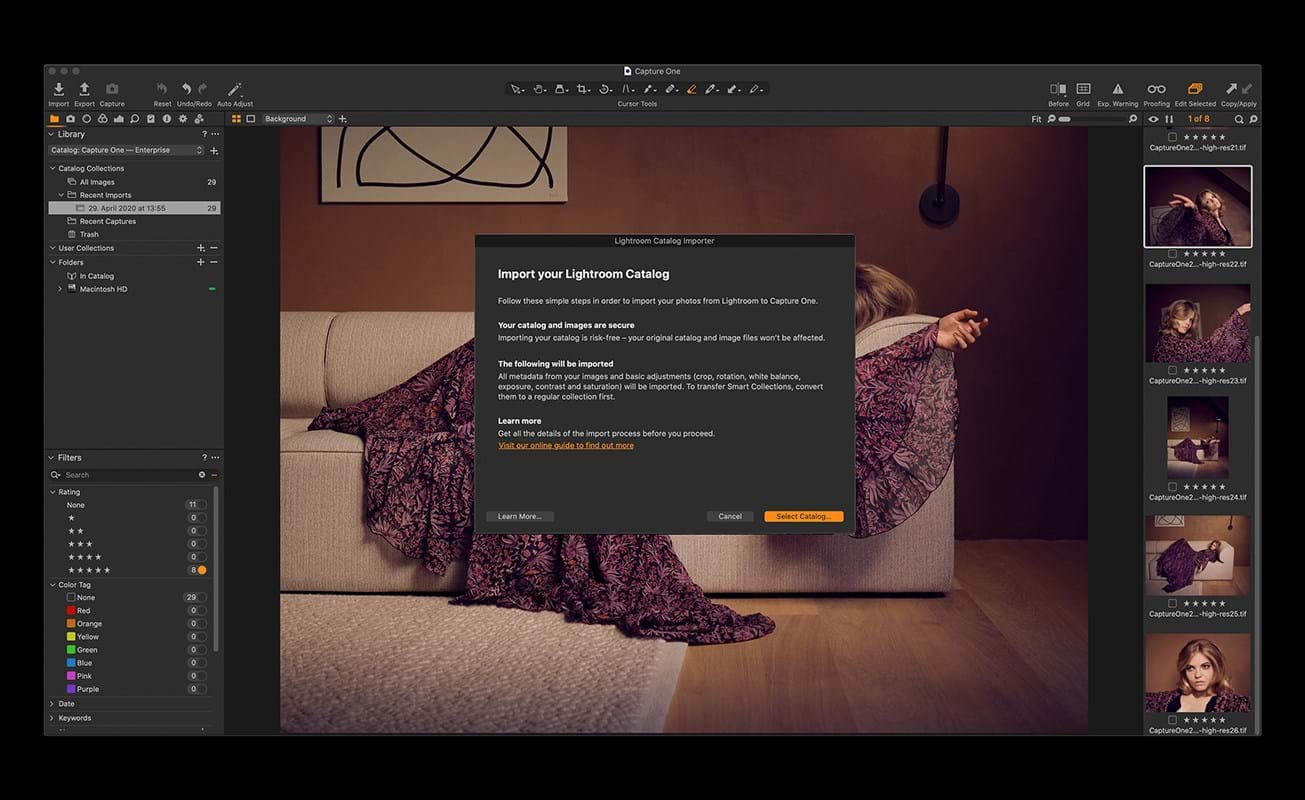
Discover Capture One features

Why You Should Be Using Both Sessions and Catalogs In Capture One Pro

Capture One Pro 8 Managing a Capture One Catalog YouTube
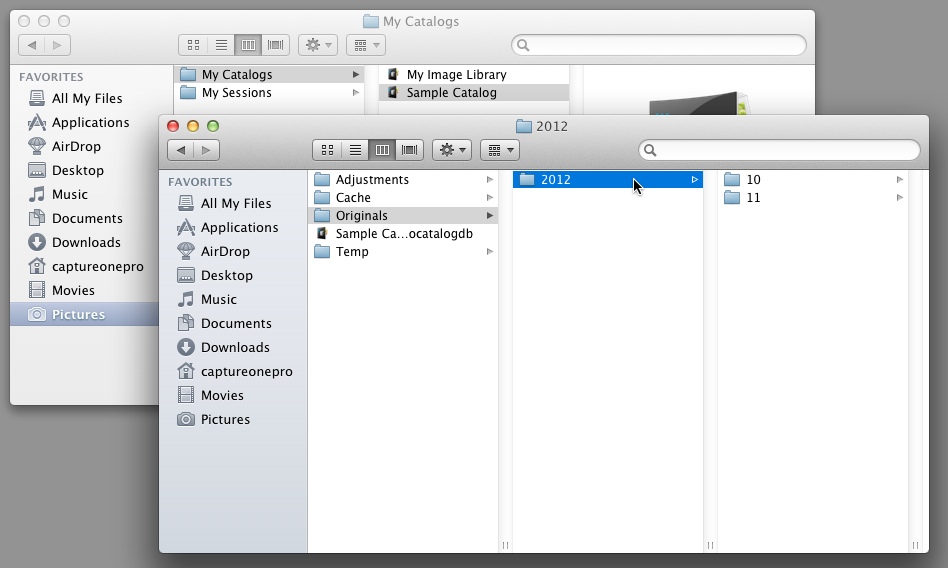
Catalogs Working with Managed or Referenced Image Files Photo
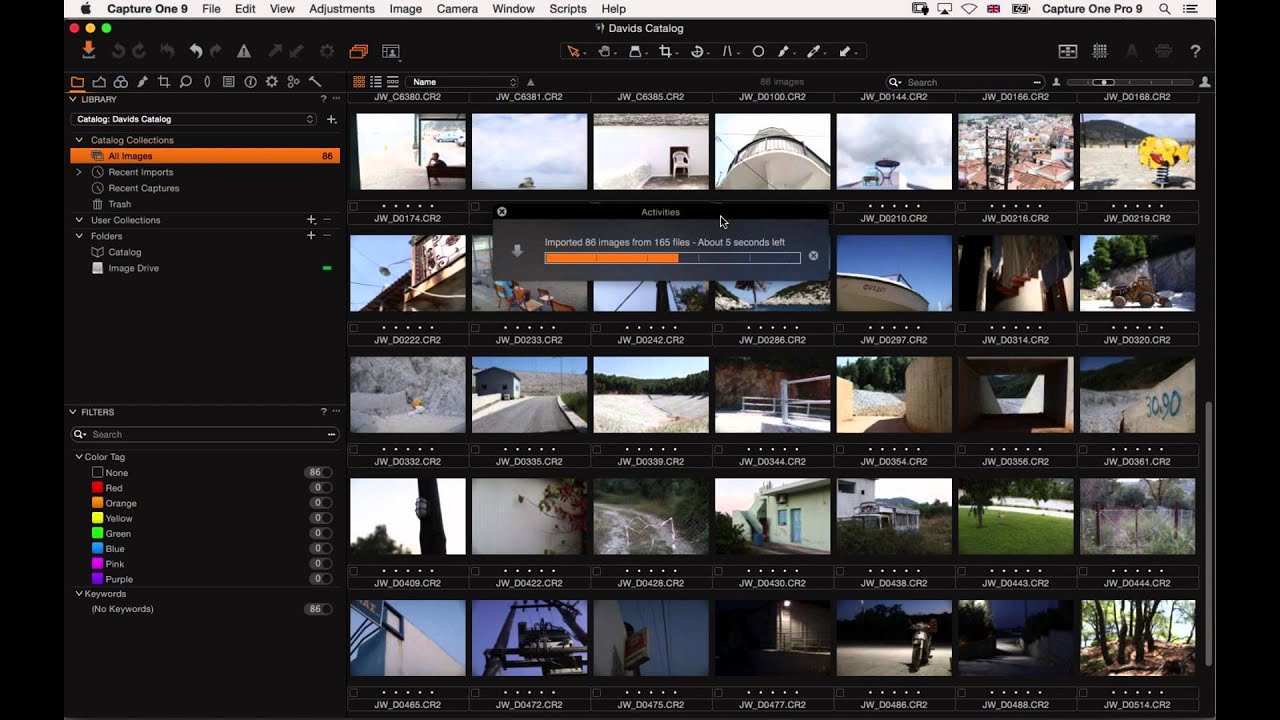
Capture One Pro 9 Webinar Organising your Catalog YouTube
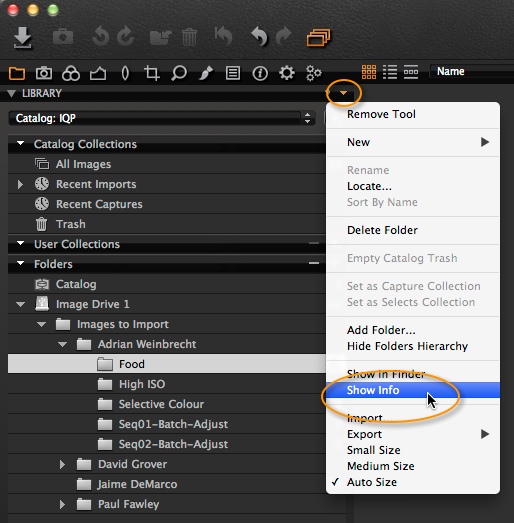
Blog about relocating catalog images in Capture One Pro 7

Capture One Pro 8 Webinar How Can I Manage my Capture One Catalog

Why You Should Be Using Both Sessions and Catalogs In Capture One Pro
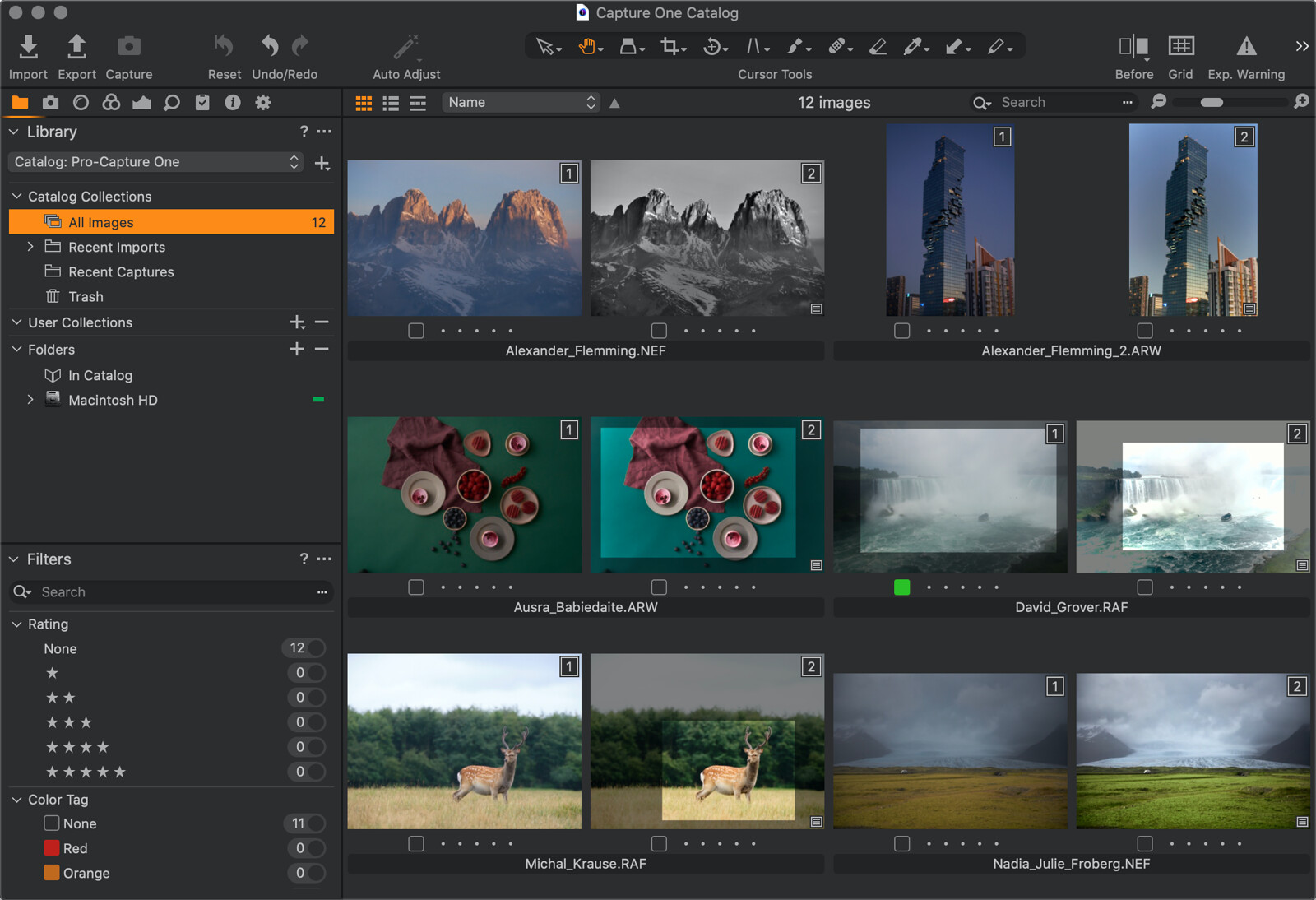
Capture One quick tip access to sample photos catalog Michal Krause
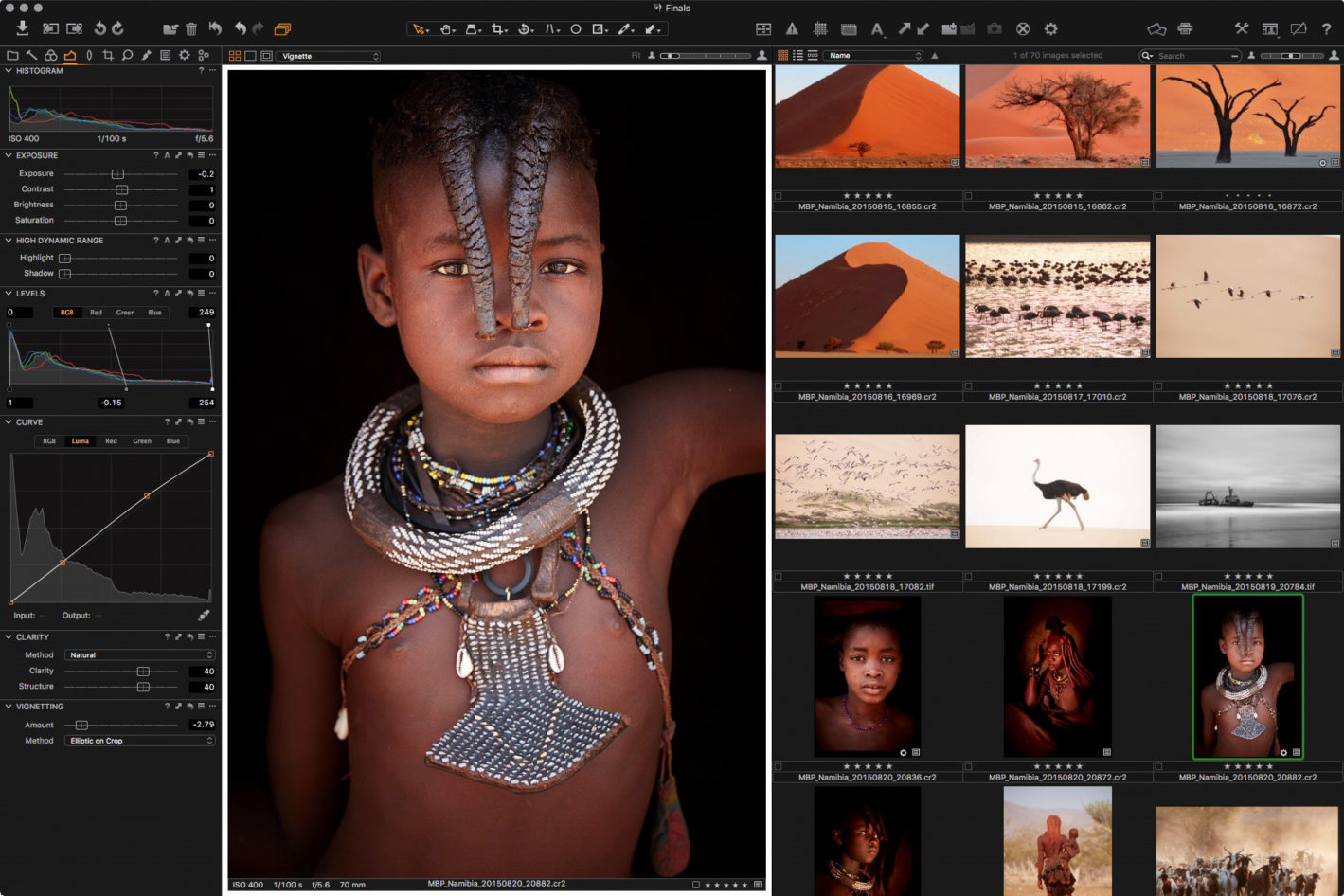
Exporting and Printing images in Capture One Pro Photo Editing
I’ll Usually Make A Catalog For A New Project On Site (Macbook Pro) And Import It Into The Annual.
If You Relocate A Managed Catalog To The External Drive But Continue Working On The Same.
Watch This Tutorial To Learn How To Create A Catalog.
Before Importing Any Photos, You Must First Decide To Use Either A Catalog Or A Session.
Related Post: